01Journey
Journey
Six stages, and each one is the reason the next was possible. Learning alone taught me to read source; freelancing taught me to scope; the agency taught me WordPress at volume and to a standard; the volume produced the problems my plugins answer; and building those plugins is what took me into React, and then into Laravel and Vue for the work a CMS should not be asked to carry.
This is the long version. The short one is on the About page.
2012 — 2016
Chapter 01
Where the curiosity started
No computer of my ownRural Bangladesh
A village where the electricity could not be relied on, and a kid who volunteered to charge other people's phones so he could spend an hour inside them.

Five steps to a machine Phones were charged off a solar panel. Neighbours would hand us one, I would plug it in and then spend the next hour opening every menu and changing every setting, and hours later we would find it almost exactly as flat as when it arrived. It is a funny story now. At the time it was the only access I had to a computer of any kind.
I got in front of a real one in 2012 and bought my own in 2016 — a low-powered dual-core desktop, paid for slowly. The reason it became a career rather than a hobby is unromantic: it was the one thing I owned that could plausibly change the next ten years.
- Borrowed phones and a solar panel, in place of a computer
- First real computer in 2012, first of my own in 2016
2016 — 2018
Chapter 02
Teaching myself to build
Self-taught, with one mentorAt home, on a dual-core desktop
Two years of front-end fundamentals learned with almost nothing available in my own language — which turned out to be the most useful constraint I have had.

What made it slow An older brother pointed me at web development and told me where to start; that was most of the guidance available. Material in Bangla barely existed, my English was not strong enough to read the good English material quickly, and the community you can ask a question of today was a fraction of its current size. A problem a beginner would now solve in ten minutes could take me two or three days.
That is where the habit came from. When there is nobody to ask, you read the source, change one thing and watch what breaks — and I have used that on every unfamiliar codebase since, including every framework I have picked up as an adult.
By the end of it I could build and style a page properly, and I had enough PHP to stop treating the server as somebody else's problem. Which is what made the next step possible.
- Front end first, then PHP — no framework in between
- Learned to read source because there was nothing else to read
- Two years of building for practice before charging anyone
HTML/CSSJavaScriptjQueryBootstrapPHP2018 — 2021
Chapter 03
First paid work, then a specialism
Freelance, remoteClients across five continents
First paid work in June 2018, and two years of turning design files into markup before WordPress arrived at the end of 2020.

How the specialism arrived The first paid job came in June 2018, two years after I started learning. For the next two years the work was almost entirely design-to-code conversion — a PSD or a Figma file in, hand-written HTML and CSS out. Narrow work, and a good place to get fast at the part everything else sits on.
The value was volume — a compressed run of briefs, deadlines and handovers that would have taken years to accumulate through referrals. Fixed prices meant every bad estimate came out of my own evenings, which is an expensive and very fast way to learn what to ask before quoting. That discipline is still the reason I can put a date on a piece of work and hold it.
WordPress arrived at the end of 2020. With HTML, CSS, JavaScript and PHP already in place it was not a new subject, it was a new arrangement of ones I knew — and it was where the work was. Within a few months it was most of what I sold, and a few months after that it was what an agency wanted a partner for.
- orders delivered
- 223
- on-time
- 100%
- Design-to-code conversion for the first two years, WordPress from late 2020
- Clients across the US, Canada, Europe, Australia and New Zealand
WordPressPHPJavaScriptHTML/CSSMySQL2021 — 2026
Chapter 04
White-label development partner
A US digital agencyRemote, US hours
Production sites across five sectors, built under someone else's name. The volume that turned preferences into a method — and produced the problems everything since is an answer to.

The partnership, in milestones White-label means the work ships under the agency's name: their designer's file, their project manager, their client. Feedback arrives specific and immediate, measured against a file rather than an opinion, which is uncomfortable for about a month and then extremely useful.
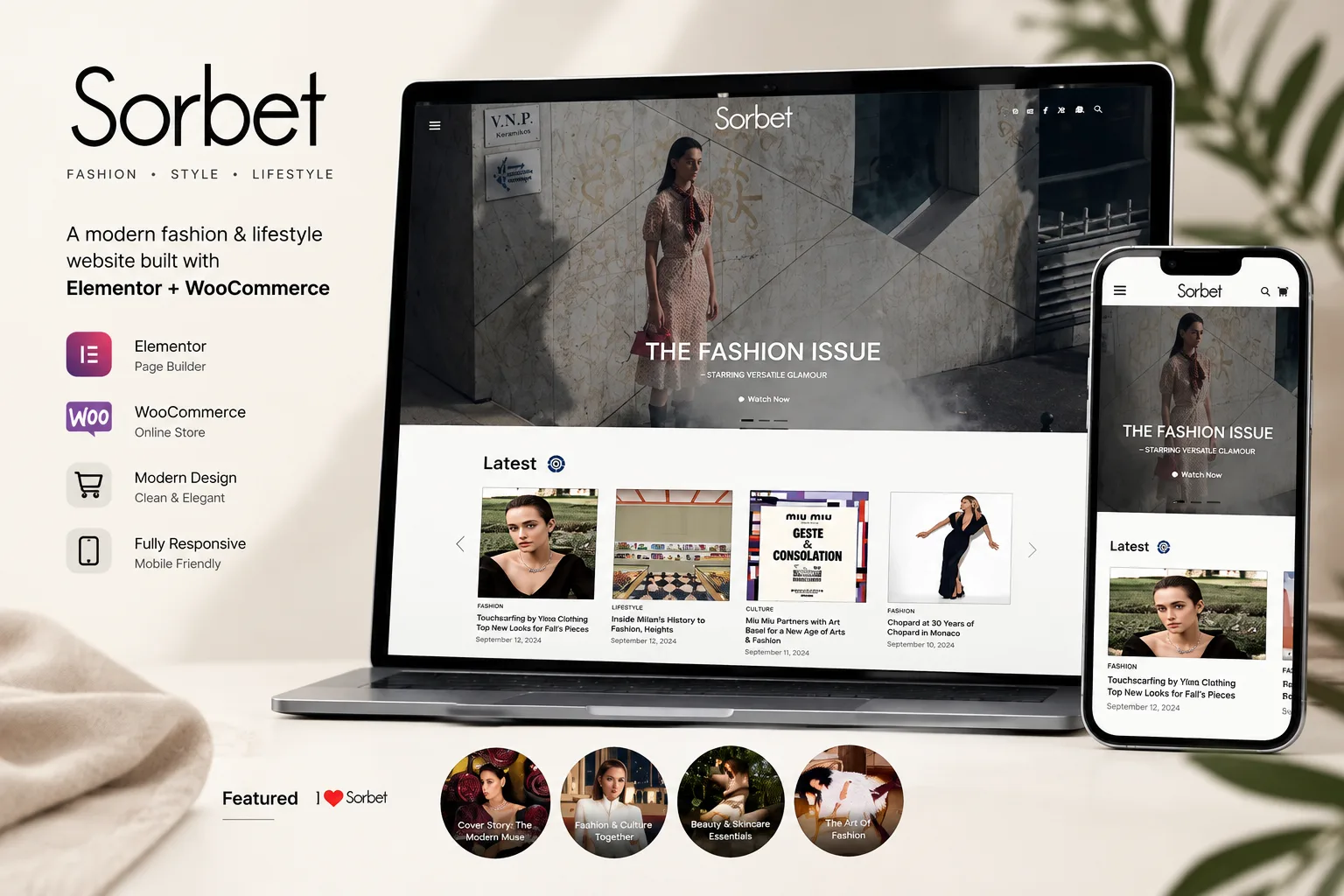
The range is wider than a portfolio usually admits — marketing sites, custom themes with modelled content, page builders where the client's own team had to keep editing, LMS and education sites, WooCommerce stores, and a great deal of ordinary CMS work, often on hosting nobody involved chose.
That much volume is enough to stop guessing. The decision that mattered on each one turned out not to be technical: it was who would be maintaining this in a year. The other thing it produced was a list — the same handover questions, the same requests, the same awkward edit, repeating across unrelated clients. Written down, that stops being anecdotes and becomes a specification.
- sites built
- 45
- years with one partner
- 5
- Sites across construction, industrial, hospitality, education and e-commerce
- Custom themes, page builders, WooCommerce and LMS — chosen by who maintains the site
- Working US hours from Bangladesh, under an agency's review process
WordPressPHP 8ACF ProElementorWooCommerceMySQL2024 — Present
Chapter 05
WordPress plugins of my own
IndependentPatenga, Chattogram, working remotely
Taking that list seriously, and shipping it to WordPress.org. Plugins built as real applications inside wp-admin — React over a PHP core, talking through REST — rather than settings pages with a form on them.

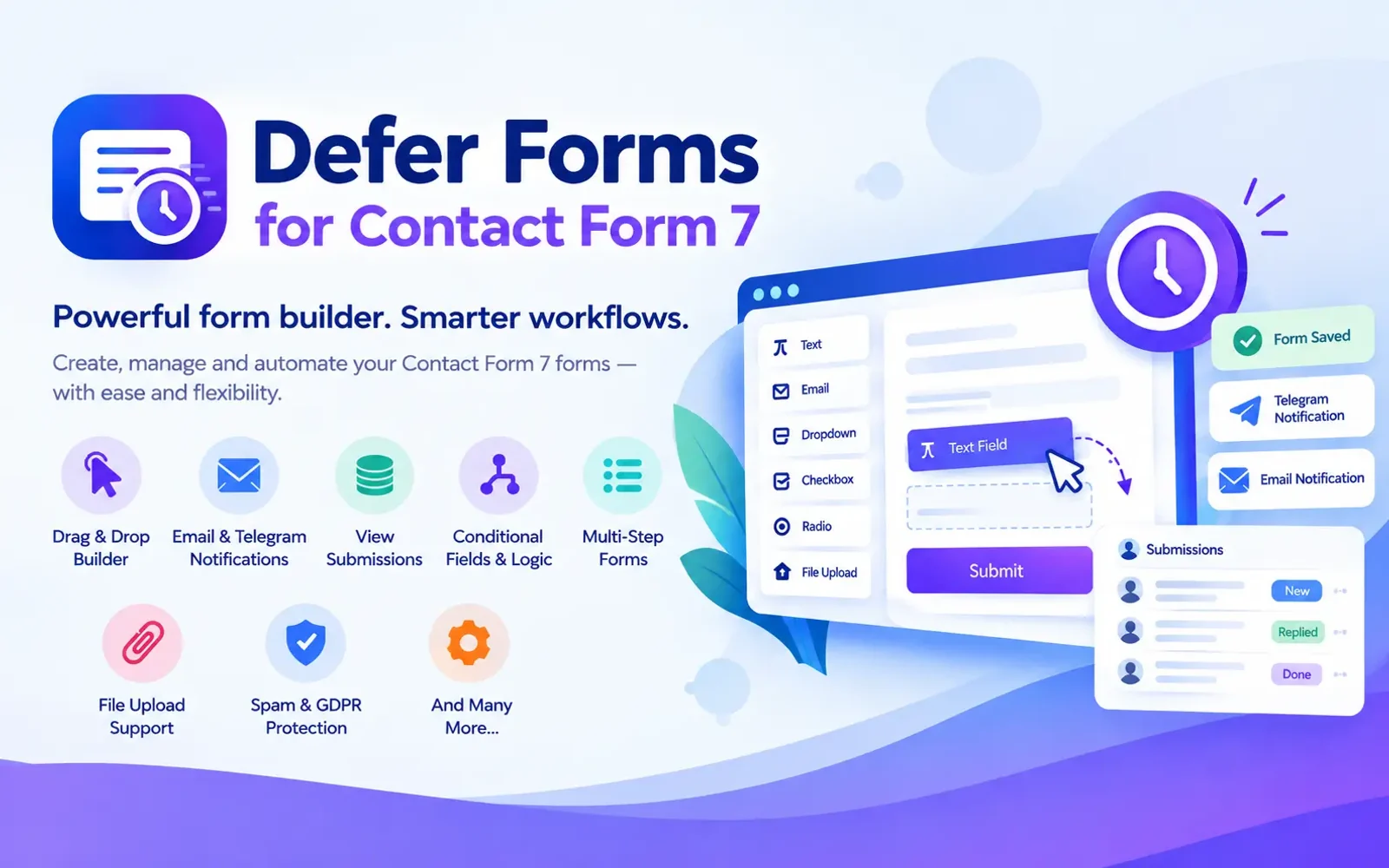
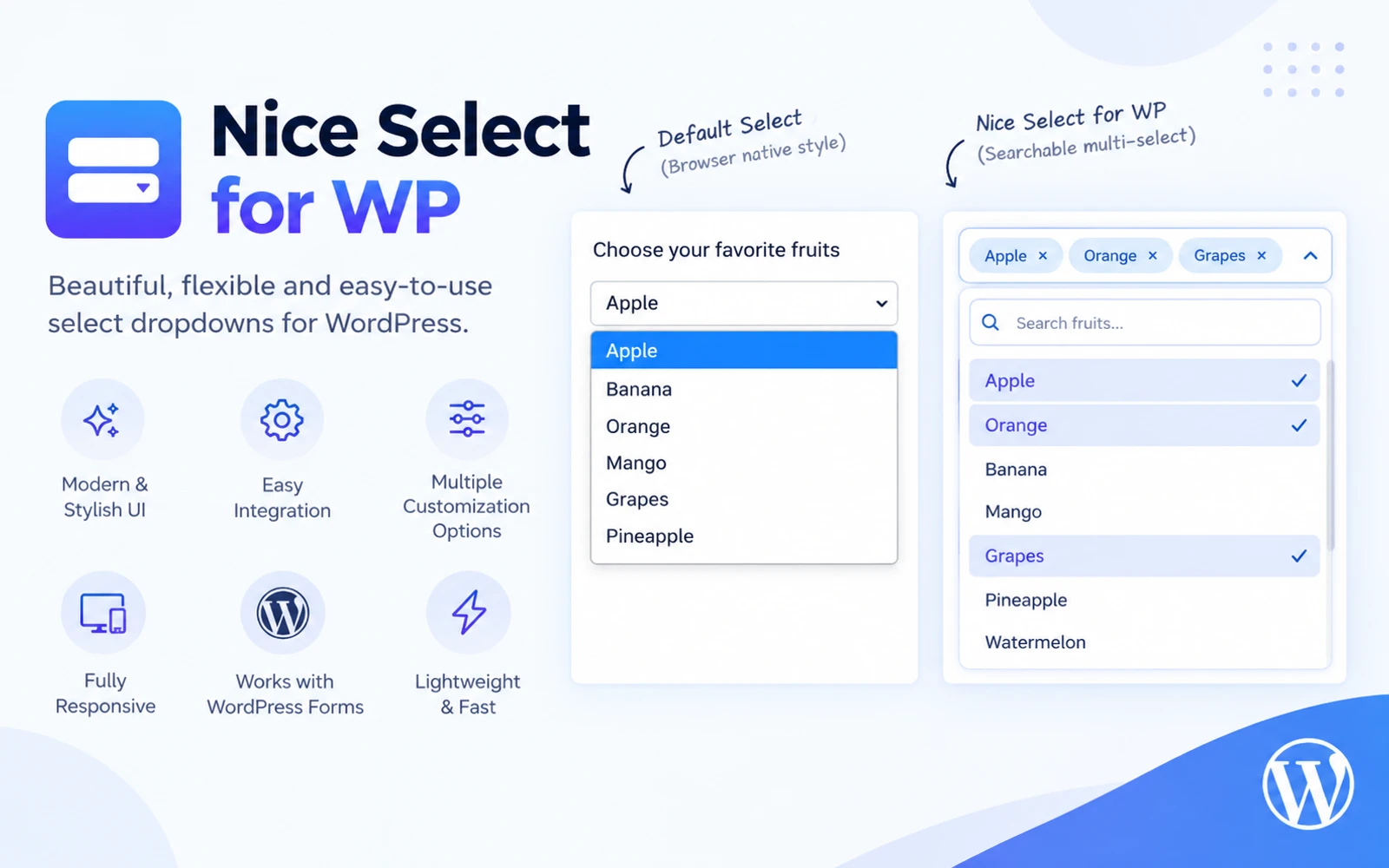
From requests to self-service Nice Select for WP went into the directory first. Defer Forms for Contact Form 7 came straight off the list after it: a visual builder for Contact Form 7, around 12,400 lines of PHP behind a React canvas, built so that no form already living on a site has to change. Both follow the same rule — take a job clients kept asking me to repeat, and make it something they can do themselves.
Building them is where the modern front-end work actually started. A drag-and-drop canvas with selection, undo and a properties panel is not a jQuery problem; it is a React application that happens to be mounted inside somebody else's admin. The PHP side stopped knowing anything about the interface and started answering REST requests instead, which is the same seam I would later build an entire API across.
The discipline that came with them was the WordPress.org review process — coding standards, escaping, internationalisation, nothing bundled that should not be. Useful to have applied to your own code rather than only to a client's.
- lines of PHP in Defer Forms for Contact Form 7
- ~12k
- test suites
- 112
- Two plugins public on WordPress.org
- React interfaces over a PHP core, joined by REST rather than by templates
- Extension points documented as a hooks API before any settings page
PHP 8.2Reactdnd-kit@wordpress/componentsWordPress REST APIViteWork from this period
Now
Chapter 06
WordPress, and beyond it
IndependentPatenga, Chattogram, working remotely
WordPress is still most of the work. Laravel and Vue are for the projects that outgrow it — built where none of the answers a CMS hands you arrive for free.

Two halves, one contract WordPress answers most of the hard application questions before you start — users, roles, storage, routing — and it answers them one particular way. The plugins kept running into the edge of that. A permission rule about a record rather than a type of thing is not a capability; a table you actually want to query is not post meta. At some point the honest move is to build where those decisions are yours.
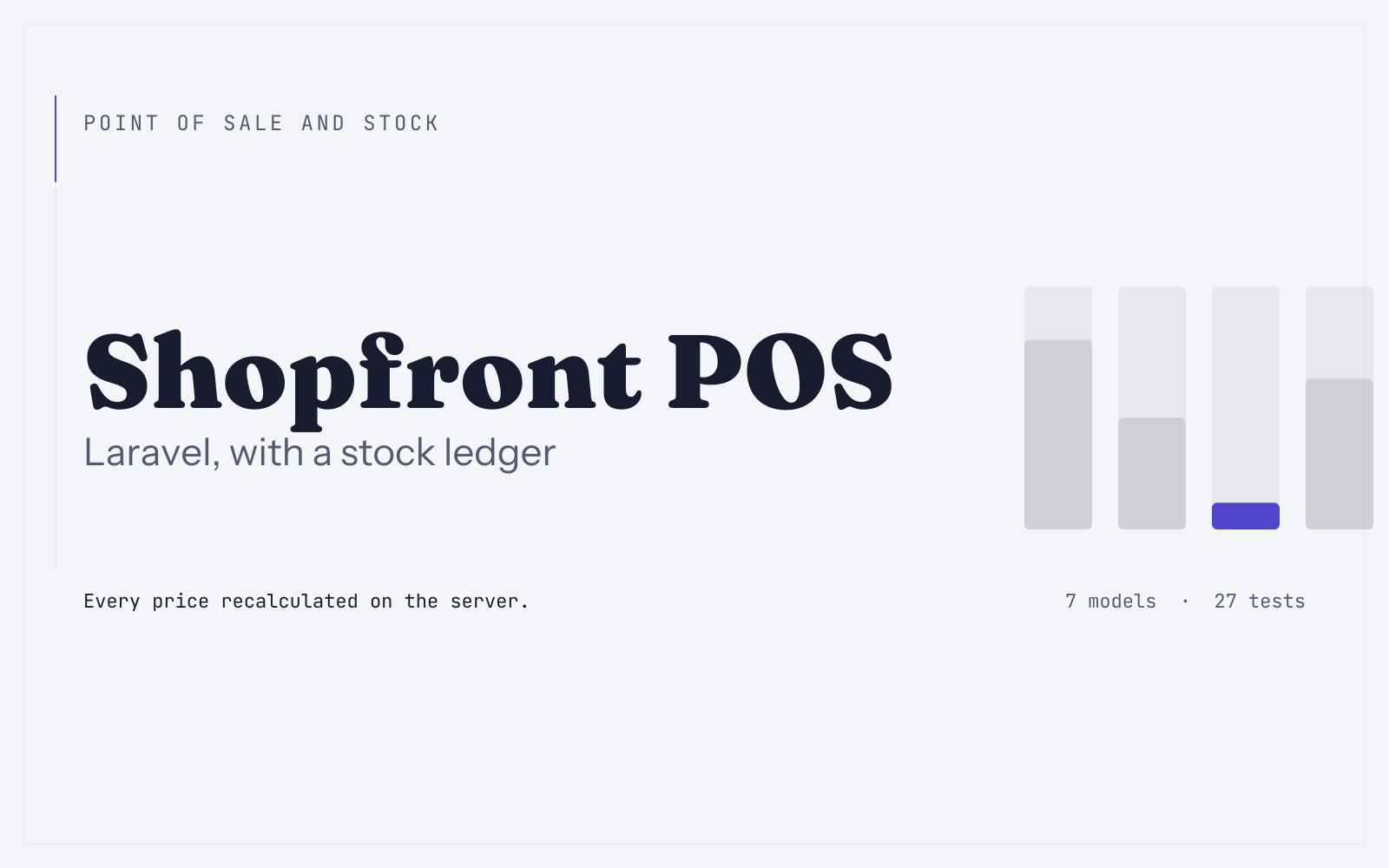
So alongside WordPress there is now Laravel: JSON APIs, prices and stock decided on the server rather than trusted from the browser, migrations, and feature tests that run against the real database. Shopfront POS is the worked example — including the audit that found my own code selling stock it did not have. On the front end, Vue 3 and Nuxt, which is what this site is built in.
The patterns that keep proving themselves are the ones the WordPress years taught me. Model the data before the interface. Keep the dependency count low, because every one is something somebody inherits. And decide by who maintains it, which turns out to be as true of an API contract as it ever was of a client's homepage.
WordPress client work and my own plugins remain the bulk of it — the applications make me better at both.
- WordPress sites and plugins, still the core of the work
- Laravel applications with JSON APIs and PHPUnit feature tests
- Vue 3 and Nuxt, including this site
LaravelMySQLPHPUnitVue 3NuxtViteTailwind


—Next
WordPress plugins are where this is going, with Laravel and Vue for what a CMS should not carry. Each project page explains what the constraint was and what it cost.